Forget about years of construction site noise, piles of rubble, and endless waiting for concrete to dry. The world of construction is undergoing a revolution that is fast, efficient, and surprisingly versatile. Modular buildings are no longer just “metal shacks” for workers—today they represent cutting-edge architecture that is changing the game.
What exactly is modular construction?
The principle is simple: a house isn’t built brick by brick on the site, but is manufactured in the controlled environment of a factory as finished spatial blocks (modules). These are then transported to the site and assembled into a single unit within a few days.
Did you know? Up to 90% of the entire construction can be completed before the first truck arrives on your site. Including utilities, flooring, and finishes.
Where can modules be used?
The flexibility of modules is their greatest strength. Thanks to this, we find them in sectors where you wouldn’t have expected them before:
1. Dormitories and recreational facilities
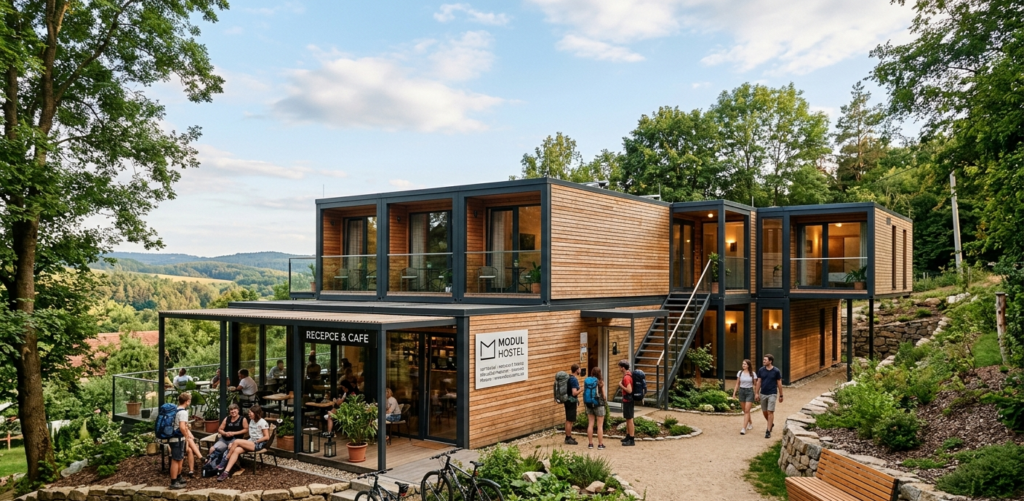
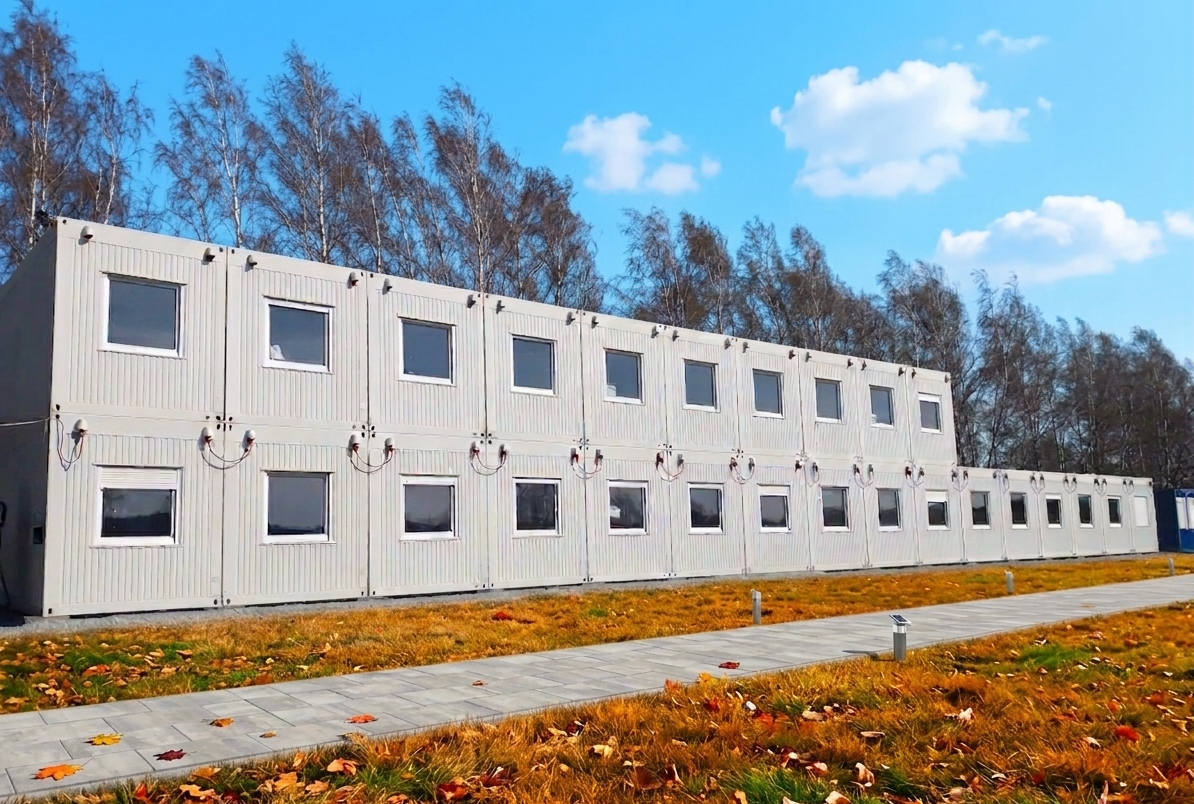
Modular systems are the ideal solution for building dormitories for employees, seasonal workers, or students. Thanks to standardized dimensions, dozens of rooms with private bathrooms, shared kitchens, and common areas can be efficiently assembled in record time. A major advantage for investors is the ability to simply dismantle the dormitory and transport it to wherever it is needed in the event of a change in the project location—something that is simply not possible with traditional construction.
2. Education and Public Administration
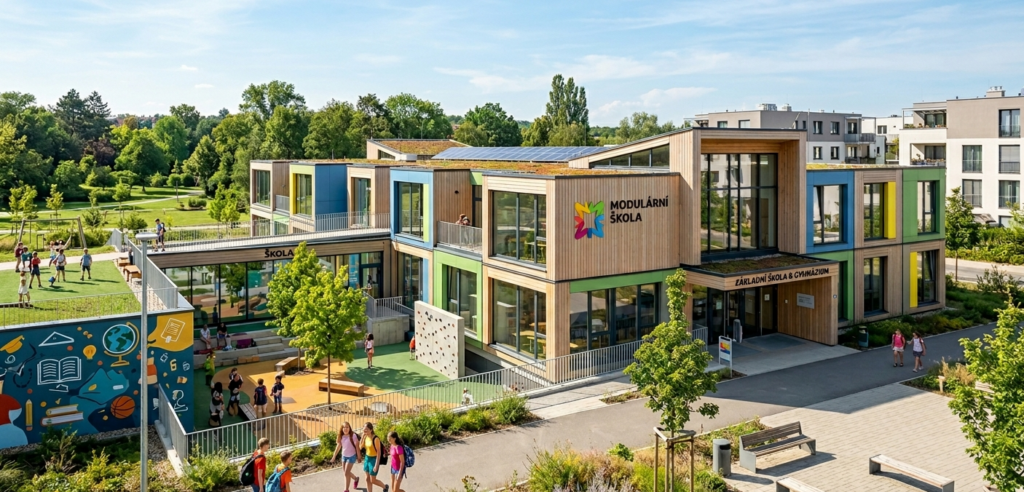
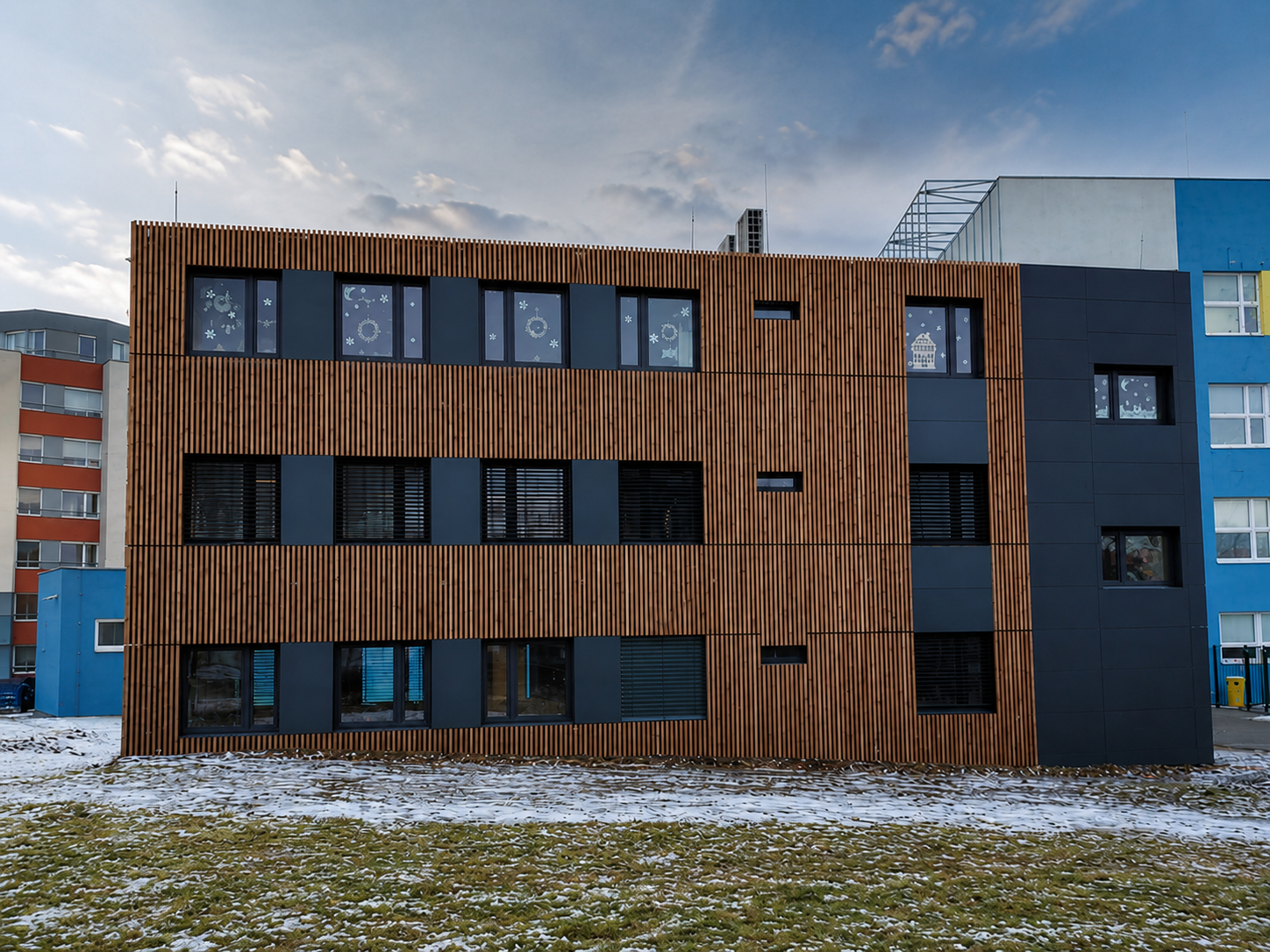
Municipalities often struggle with a shortage of spots in preschools and schools. Traditional construction takes years, while a modular preschool can be built in just a few months. If the number of children declines in ten years, the module can be easily dismantled or repurposed as a community center.
3. Administration and Offices
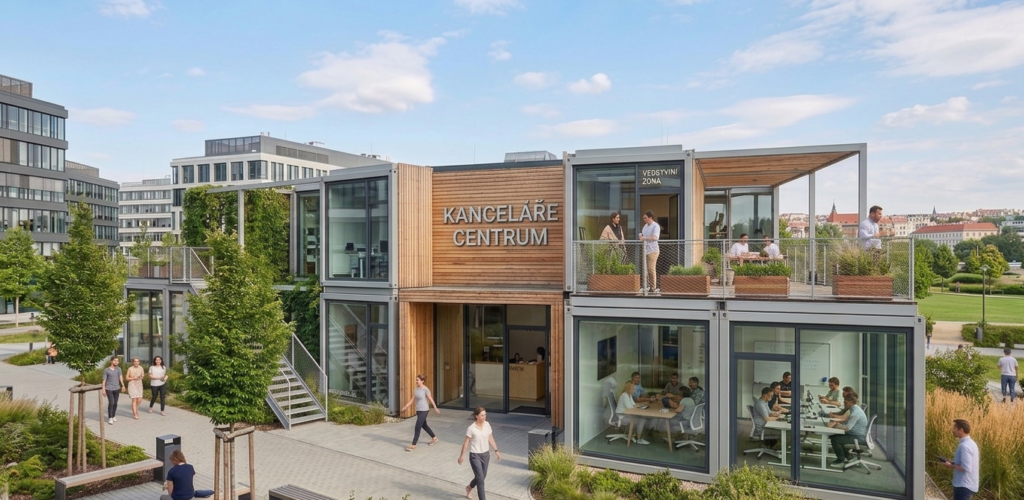
Fast-growing companies need space now, not in three years. Modular office buildings offer professional spaces with excellent acoustic properties that are indistinguishable from traditional buildings.
4. Healthcare and Emergency Situations
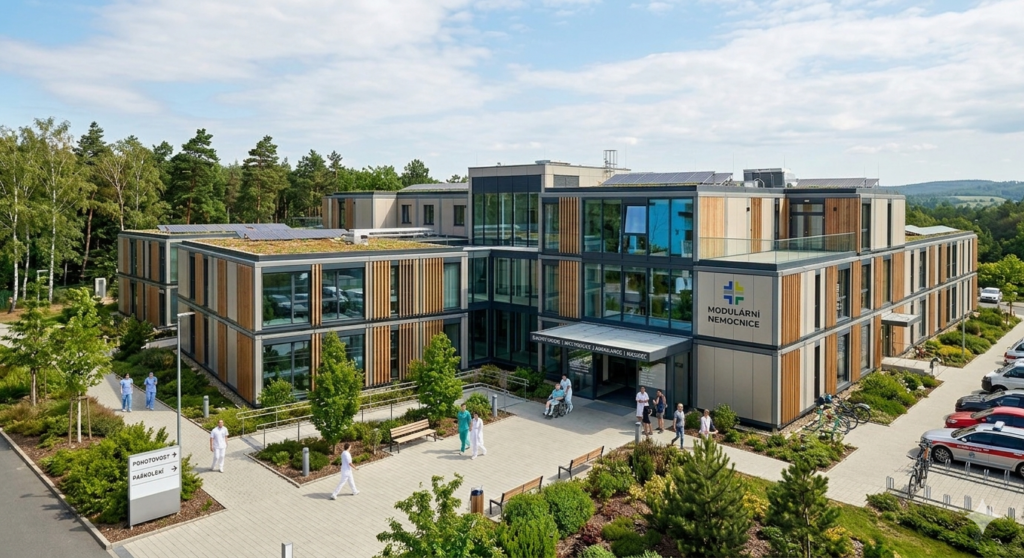
Does a hospital need a new diagnostic wing? Or is it necessary to quickly build housing in disaster-stricken areas? In these situations, the speed of modular construction is literally a matter of life and death.
Why Choose Modules? (Key Benefits)
• Speed: Construction is completed 30% to 50% faster than with conventional methods.
• Quality Control: Factory production means materials are protected from rain and freezing, and everything undergoes strict final inspection.
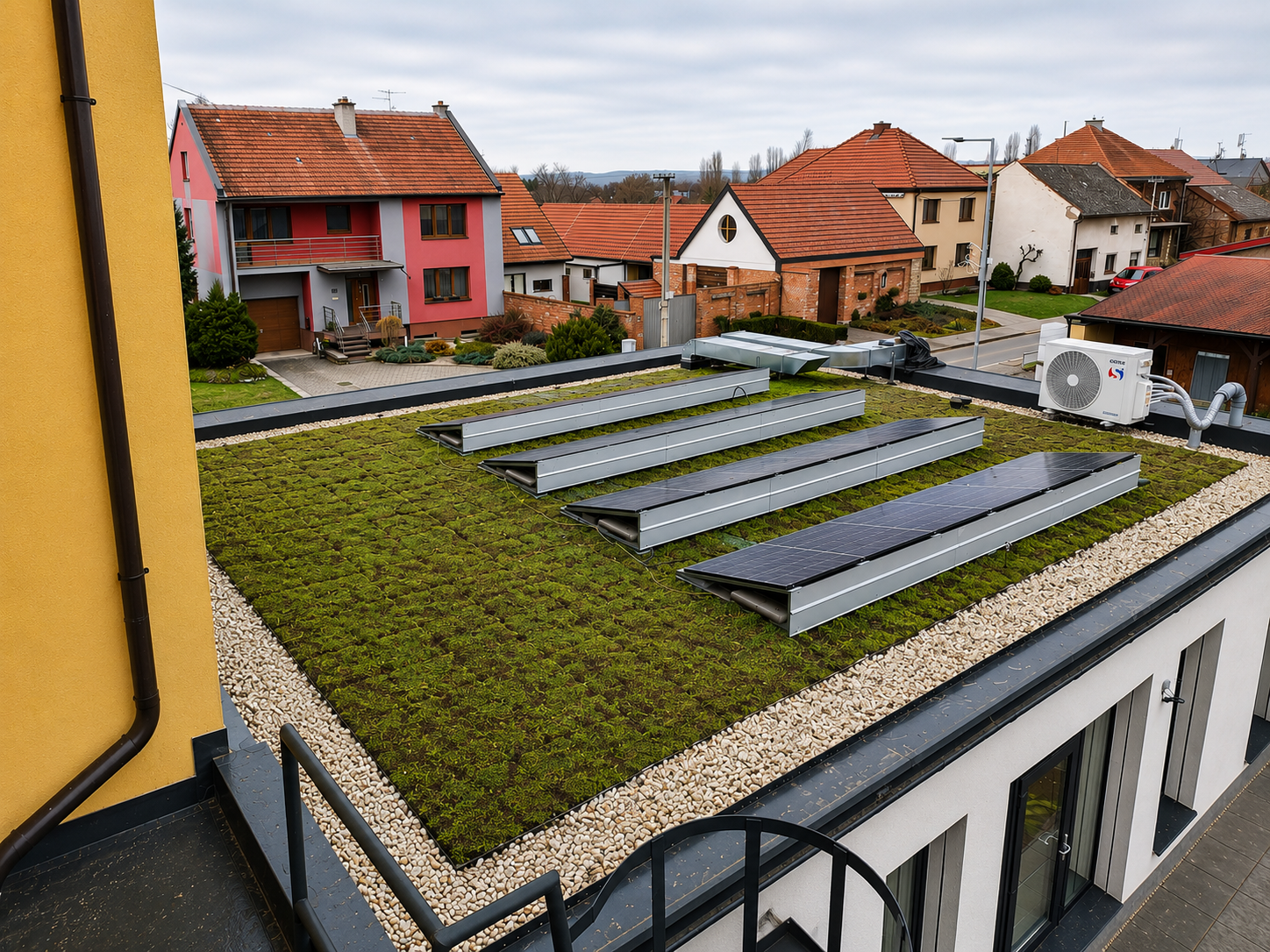
• Sustainability: Minimal waste on the construction site and the option to dismantle and recycle the structure in the future (or sell and relocate it).
• Predictable cost: The budget is set in advance, and there is no risk of cost overruns due to adverse weather.