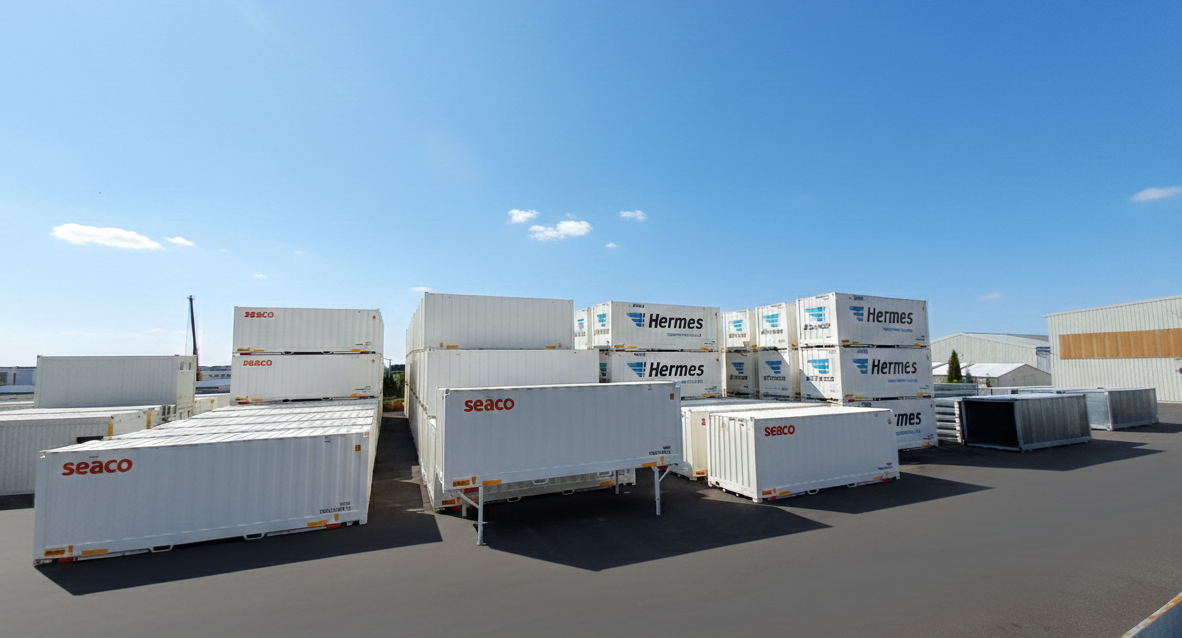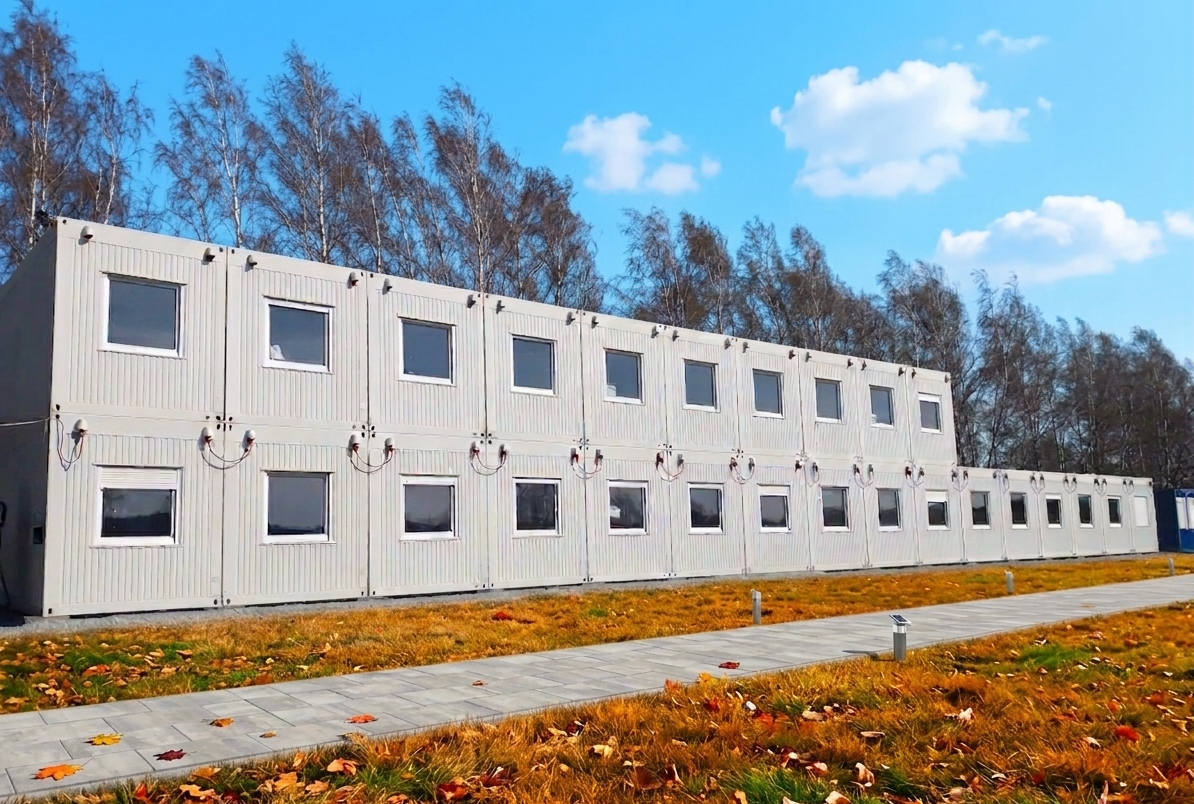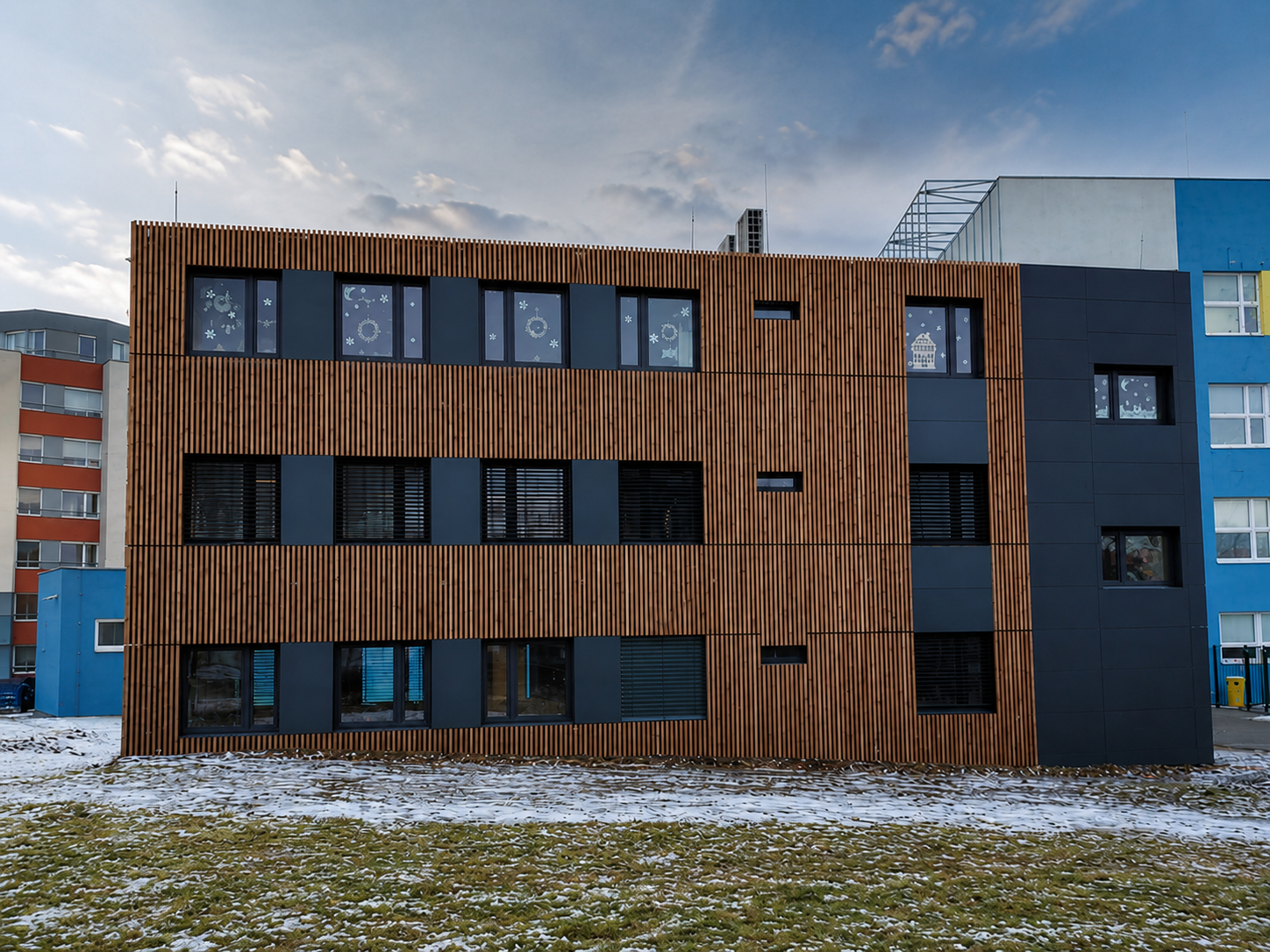
Rigid swap bodies are a modern and efficient solution for companies that want to speed up logistics, reduce costs, and make better use of their fleet. Thanks to quick body exchange, high durability, and a wide range of uses, they enable smooth operation without unnecessary downtime. They are the ideal choice for logistics companies, manufacturing companies, and companies with demanding requirements for safety and transport quality. Investing in fixed swap bodies therefore means not only greater operational flexibility, but also a long-term competitive advantage.
Why use fixed swap bodies
1. Time savings
• The vehicle does not have to wait for loading or unloading
• The driver parks the swap body, another one is loaded → and continues on its way
• Ideal for night or continuous operations
2. Lower costs
• Less downtime for vehicles and drivers
• Less need for additional equipment (e.g., forklifts)
• One vehicle can serve multiple bodies
3. Operational flexibility
• Easy replacement according to the current order
4. Better utilization of the vehicle fleet
• Bodies can also serve as temporary storage
• Vehicles are not tied to one specific body type
5. Durability and long service life
• Solid construction = greater durability than tarpaulins
• Also suitable for more demanding operations
What companies are they intended for?
Logistics and transport companies
• Distribution centers
• Parcel and express services
• Companies with frequent deliveries and pickups
• Logistics chains with shuttle transport
• Retail and supermarket supply
Manufacturing companies
• Regular flow of materials between production and warehouse
• Just-in-time logistics
Construction and industry
• Transportation of tools, materials, or equipment
• Lockable and secure
Retail and e-commerce
• Quick exchange of superstructures during peak times
• Efficient service to multiple stores
Main reasons to use exchangeable superstructures
1. Extreme time savings (elimination of downtime)
With a conventional truck, the driver has to wait for the goods to be loaded or unloaded. With the BDF system, the driver arrives at the ramp, “sets down” the full body on the parking legs, picks up another (already loaded) one, and leaves within 10-15 minutes. Both the vehicle and the driver are constantly on the move.
2. Warehouse on legs
The body can serve as a temporary mobile warehouse directly at the customer’s premises or in a logistics center. There is no need to immediately transfer goods to a brick-and-mortar warehouse, which reduces the risk of damage during handling.
3. Intermodality and flexibility
The superstructures are standardized in size and equipped with corner fittings (similar to shipping containers). They can be easily transferred from trucks to rail cars.
Who are swap bodies intended for?
This system is not for everyone – it is not profitable for small carriers who transport random loads. It is primarily intended for:
Courier and parcel services (CEP):
Swap bodies are filled at sorting centers and drivers simply “rotate” them between cities.
Logistics chains with shuttle transport:
If you regularly transport goods between a production plant and a distribution warehouse.
Combined transport (road–rail):
Companies that want to use more environmentally friendly rail transport for long distances but need the flexibility of a car for the “last mile.”
Retail and supermarket supply:
Option to leave the superstructure at the store for unloading while the tractor takes the empty one back.
More information about interchangeable superstructures can be found here.